ELDER ABUSE
Key features
An intentional action by a caregiver or trusted person that causes harm or creates a serious risk of harm to an older adult constitutes elder abuse
Failure by a caretaker to satisfy the basic needs of an elder or to protect the elder from harm also represents elder abuse
Introduction
In 1997, the International Network for the Prevention of Elder Abuse was established to address elder abuse around the world. In most countries, both the healthcare system and legal statutes recognize the types of elder abuse listed in Table 90.5. Approximately one in four elders is at risk of abuse, and ~6% have experienced significant abuse in the past month.
A Hyperpigmented streaks on the back of a 2-year-old girl due to phytophotodermatitis; the mother had lime juice on her hand when she touched the child. B Genital lichen sclerosus may have associated purpura or hemorrhagic bullae. C A perianal pyramidal protrusion in the typical location, just anterior to the anus in the midline. This finding is most common in infant girls. D Self-induced suction purpura from a drinking glass on the upper lip of a young girl. A, Courtesy Anthony J. Mancini, MD; B–D, Courtesy Julie V. Schaffer, MD.
Risk Factors for Elder Abuse
Because of increased opportunities for contact and thus for conflict and tension, a shared living arrangement is a major risk factor for elder abuse. Abuse also occurs in residential and nursing care facilities. Elderly individuals living alone are more likely to be victims of financial abuse, but they are at lower risk for other forms of abuse. Physical abuse is reported to occur more frequently in elders with dementia, especially those with a history of aggressive behavior. Social isolation has also been identified as a risk factor, with victims more likely to be isolated from friends and family other than the person with whom they are living than are non-victims. Pathologic characteristics of perpetrators of elder abuse include mental illness, particularly depression, and alcohol abuse. Additionally, people who abuse elders may actually be dependent (e.g. financially) on the person they are abusing. In some cases, abuse stems from attempts by relatives (particularly adult offspring) to obtain the victim’s resources.
Clinical Features and Assessment
Potential findings in abused or neglected elders are listed in Table 90.6. Tools such as the Elder Abuse Suspicion Index have also been developed to improve physician identification of elder abuse. Unfortunately, abused elders may not always have findings clearly attributable to abuse. Conversely, older individuals may have findings that mimic abuse but which are actually a result of accidental injuries or chronic disease.
When elder abuse is suspected, the clinical findings should be photographed and documented in the medical record. The patient should not be interviewed in the presence of the suspected abuser. The presence of other healthcare staff should also be minimized, since many patients are ashamed to admit that they are victims of elder abuse. The patient may also hesitate to disclose abuse due to fears of being placed in a long-term care facility, perpetrator retaliation, severing family relationships, and legal implications for the perpetrator. Although direct questions about abuse are appropriate, the interviewer may prefer to begin with general questions about safety issues and the home environment. The physician must use considerable caution in interacting with a suspected abuser. One of the risks of confronting an alleged abuser is that access to the elderly person may be lost. If the physician deems it necessary to interview a suspected abuser, an empathetic non-judgmental approach may be helpful.
Elder self-neglect is a related entity that occurs three times more commonly than abuse by others and is associated with a 16-fold increase in risk of death during the first year after diagnosis. The CDC describes it as vulnerable elders who fail or refuse to address their own basic physical, emotional, or social needs in a way that threatens their health and safety. Elder self-neglect typically reflects impaired coping and decision making because of cognitive and/or functional impairments.
Management
Because elder abuse is multifactorial, potential interventions are based on the context of abuse. A multidisciplinary team involving physicians, nurses, social workers, elder care attorneys, adult protection agencies and, when appropriate, law enforcement officials is helpful when dealing with elder abuse. If the abused person is competent to make medical decisions and willing to accept intervention, education regarding elder abuse can be provided, a safety plan implemented, and the patient as well as family members referred to appropriate services. Reporting by healthcare providers of suspected cases of elder abuse or self-neglect to adult
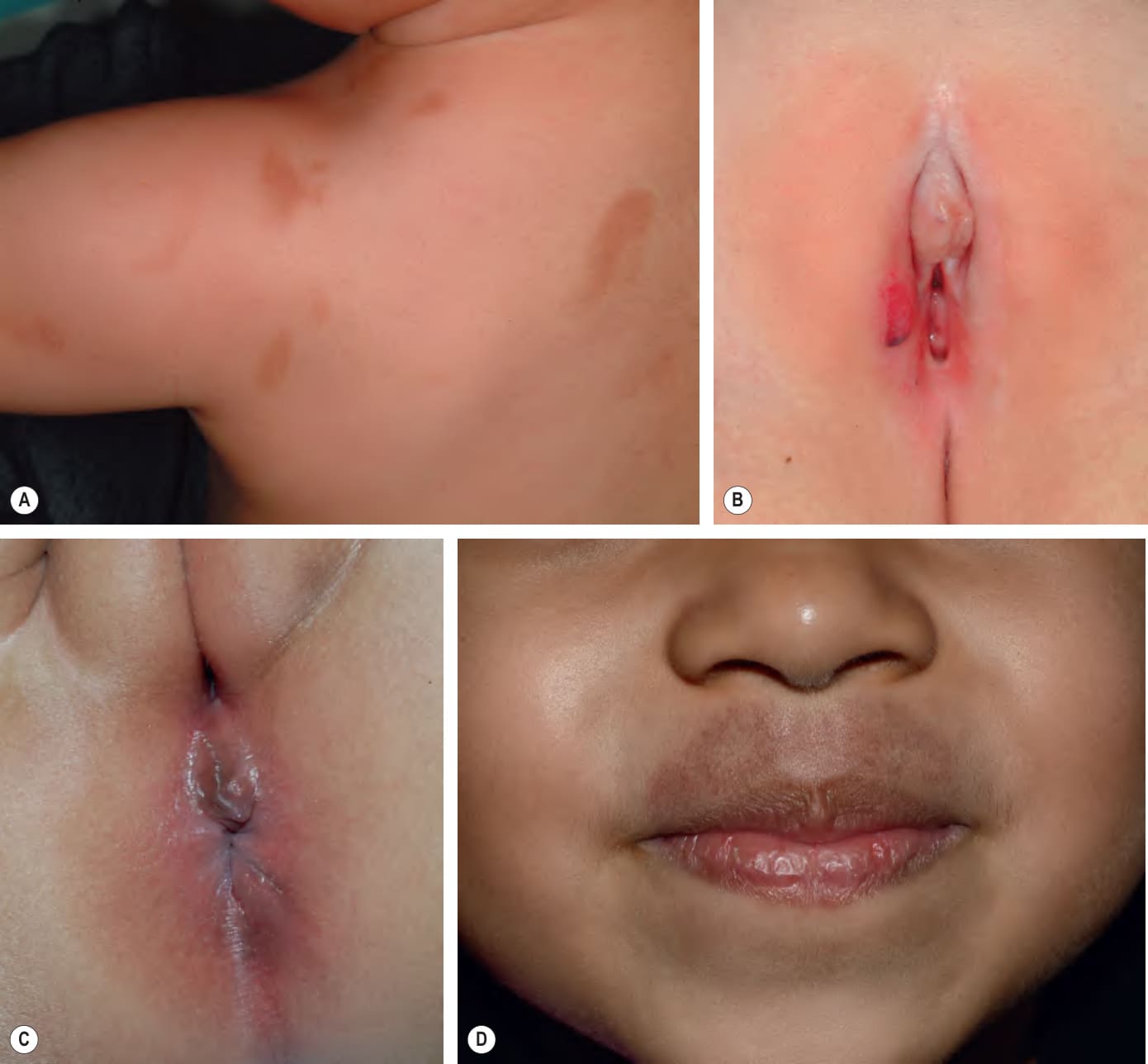
Fig. 90.8 Cutaneous disorders that may be misdiagnosed as physical or sexual abuse.
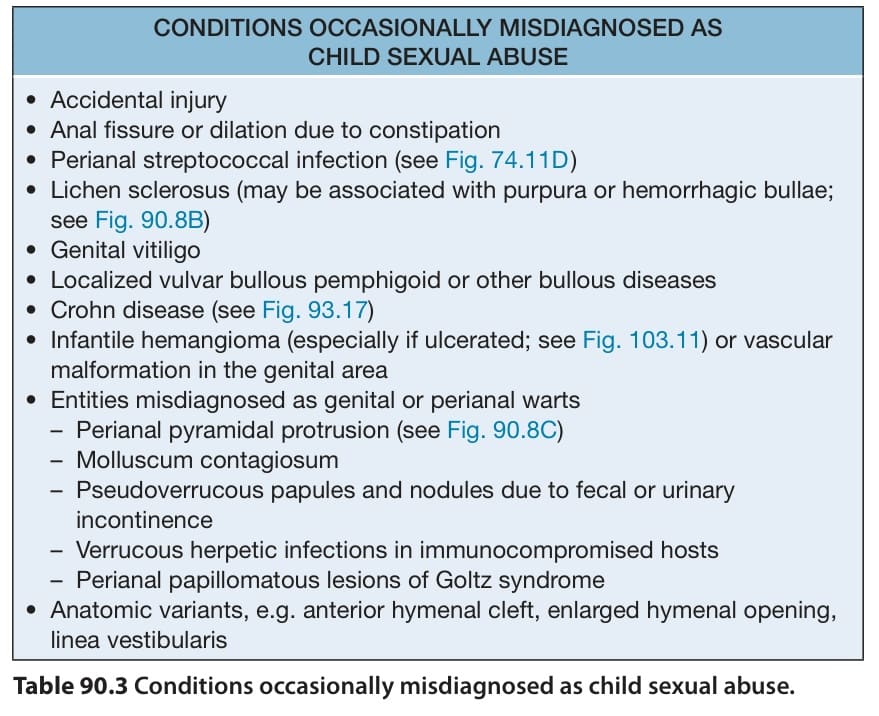
Table 90.3 Conditions occasionally misdiagnosed as child sexual abuse.
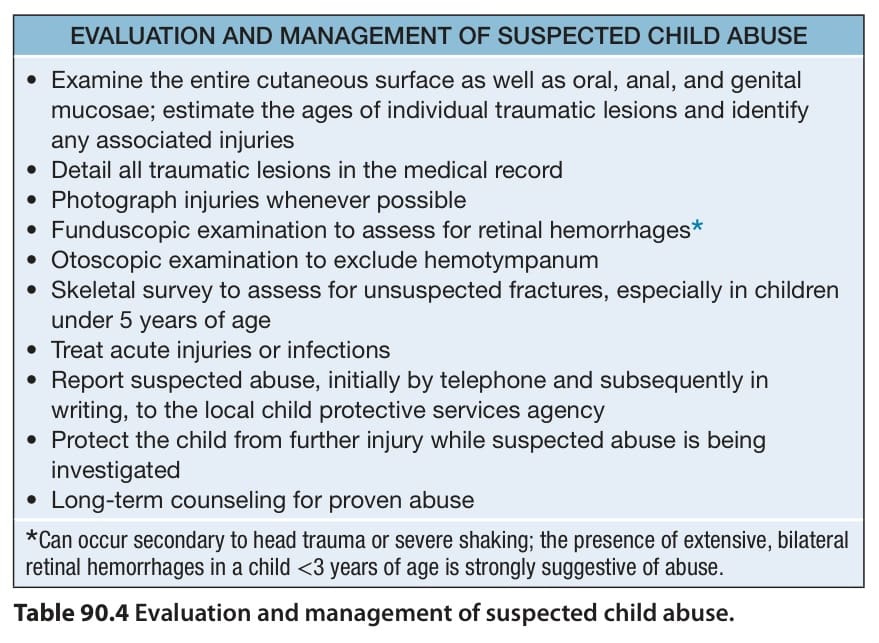
Table 90.4 Evaluation and management of suspected child abuse.
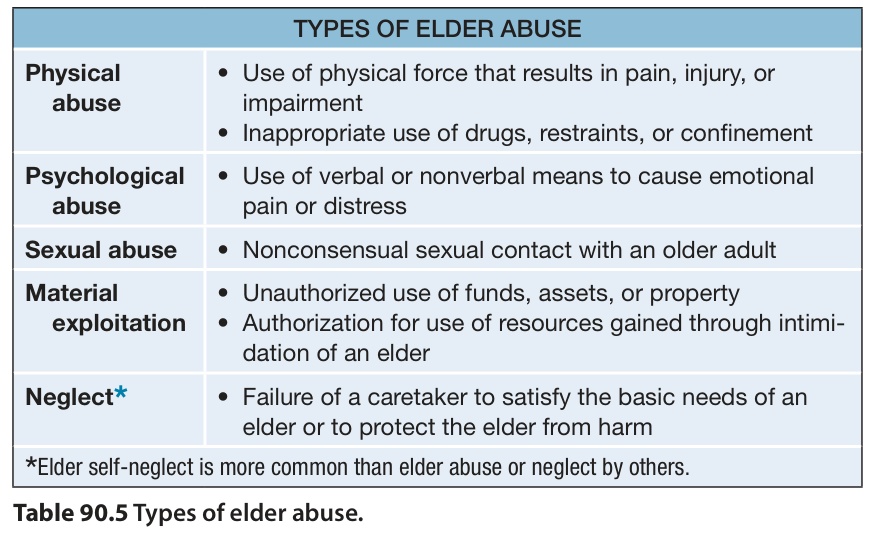
Table 90.5 Types of elder abuse.
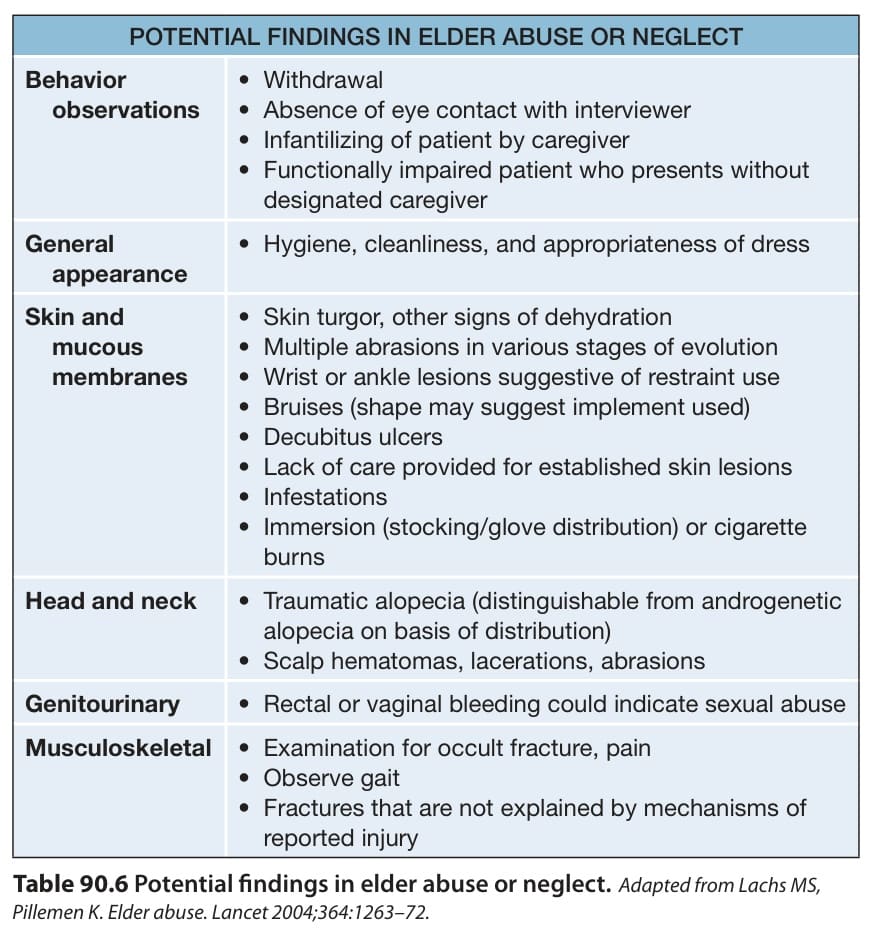
Table 90.6 Potential findings in elder abuse or neglect.Adapted from Lachs MS, Pillemen K. Elder abuse. Lancet 2004;364:1263–72.
protective services is mandated by law in most states in the US, even if the elder is unwilling to accept intervention. The National Center on Elder Abuse website (https://ncea.acl.gov) provides additional information.
In summary, dermatologists should remain vigilant in looking for physical signs of abuse in elderly patients, especially those who are dependent on caregivers. Dermatologists who encounter signs of elder abuse are responsible for initiating the evaluation process that protects these fragile members of society.
Additional figures and a table on Interventions for elder abuse available in our eBook (see inside front cover for access code).
the United States: a systematic review. Trauma Violence Abuse. 2021:15248380211025241.12. Maguire S, Mann MK, Sibert J, Kemp A. Are there
Administration for Children and Families, Administration on Children, Youth and Families, Children’s Bureau. Child Maltreatment 2019. Washington, DC: U.S. Department of Health and Human Services; 2019. Available at: <www.acf. hhs.gov/sites/default/files/documents/cb/cm2019.pdf>.