INTRODUCTION
The perforating diseases are a group of papulonodular skin disorders characterized by keratotic plugs or crusts in which dermal connective tissue “perforates” or is eliminated through the epidermis (Table 96.1). There are two prototypic perforating diseases, both of which can be inherited. Reactive perforating collagenosis (RPC) is associated with transepidermal elimination of primarily collagen fibers, whereas in elastosis perforans serpiginosa (EPS), primarily elastic fibers are extruded through the epidermis. The third major perforating disease is acquired perforating dermatosis, which usually develops during adulthood in association with diabetes mellitus and/or the pruritus of chronic kidney disease (stages 4–5). Many textbooks traditionally list “perforating folliculitis” as the fourth perforating disease, but, in the opinion of the author, this seems unjustified. It does not appear to be a specific entity, since perforation or rupture of follicles occurs in a wide variety of diseases classified as folliculitis, regardless of whether the pathogenesis involves bacteria, fungi, Demodex mites, drugs, physical trauma, or other mechanisms.
Some authorities have expanded the concept of the preceding so-called “primary” perforating diseases to include a variety of unrelated “secondary” perforating disorders in which transepidermal elimination of a substance occurs as a secondary component of a primary dermatosis (Table 96.2). As in most of the preceding perforating disorders, the epidermis often becomes hyperplastic, eventually surrounds the material to be extruded, and subsequently causes the material’s elimination via normal keratinocyte maturation. Some of these disorders are discussed elsewhere in this text and involve perforation of endogenous substances, exogenous foreign material, infectious organisms, granulomas, and even neoplastic cells.
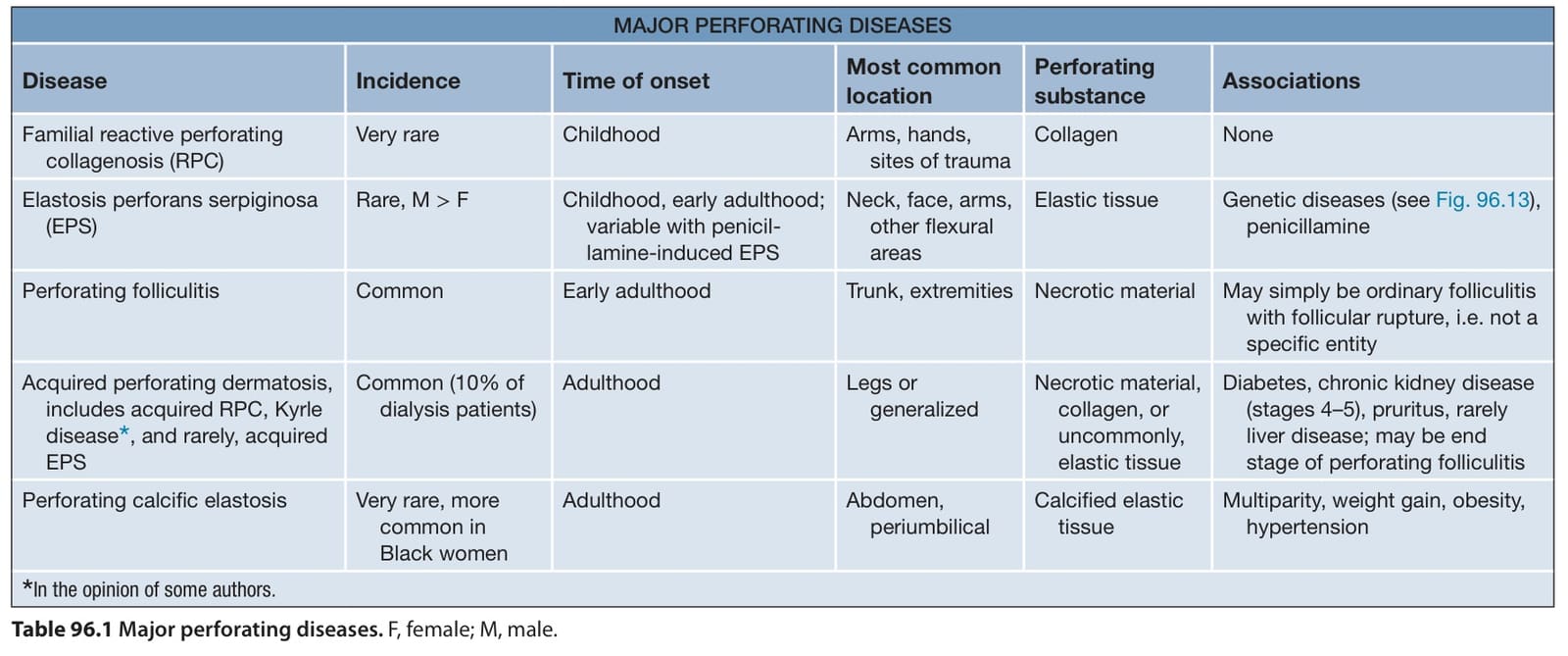
Table 96.1 Major perforating diseases. F, female; M, male.
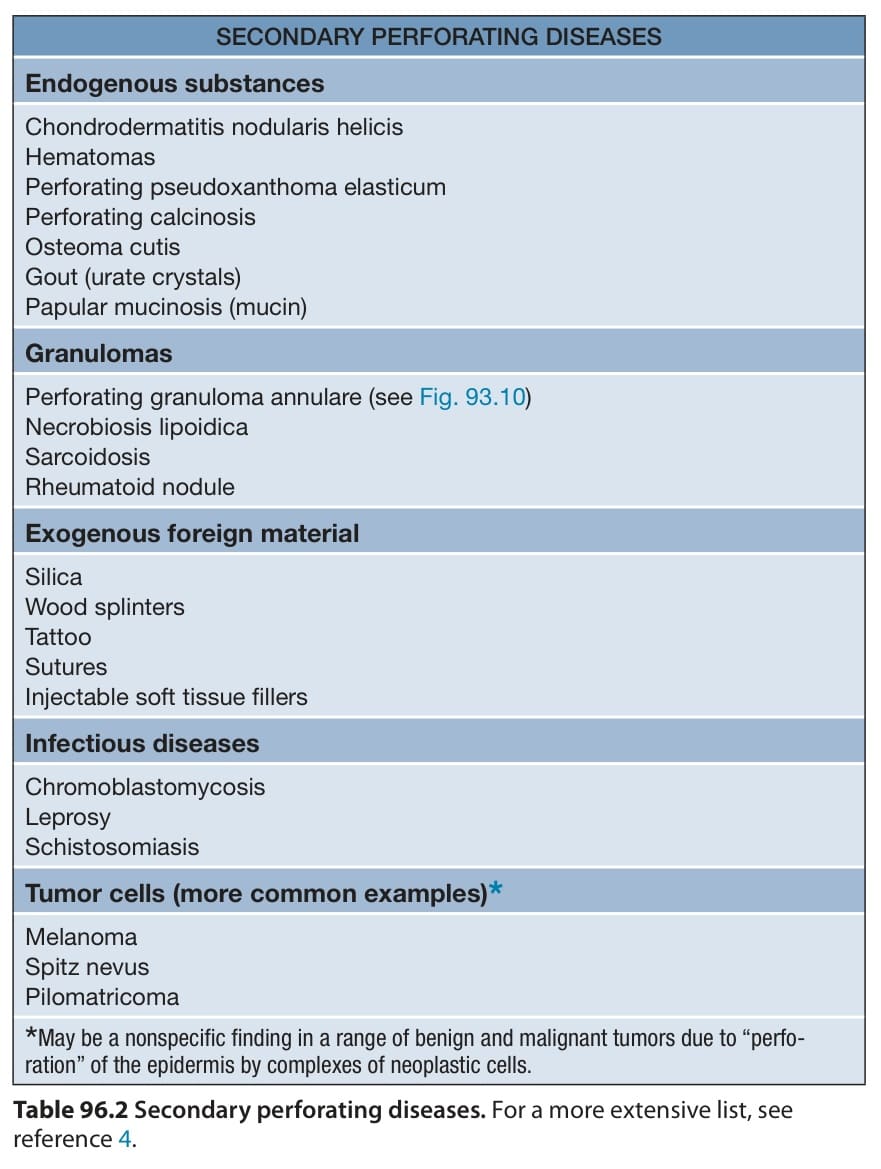
Table 96.2 Secondary perforating diseases. For a more extensive list, see reference 4.