DIFFERENTIAL DIAGNOSIS
The differential diagnosis includes other disorders characterized by papules or nodules with central keratotic plugs or crusts, in particular prurigo simplex and prurigo nodularis (Table 96.3). Some authors, including the late A.B. Ackerman, have considered RPC to be a variant of excoriated prurigo. When the Koebner phenomenon occurs, other disorders that can also arise in a linear pattern should be considered, e.g. psoriasis, lichen planus. EPS may be confused with other disorders that are annular or serpiginous (see Ch. 19), but usually the individual keratotic plugs within the ring are distinctive. Histologically, elastic fibers may also be observed within the hyperplastic epidermis of healing wounds, keratoacanthomas, and occasionally hypertrophic lupus erythematosus and lichen simplex chronicus.
Since many patients with acquired perforating dermatosis have coexisting folliculitis and prurigo nodularis, there may be several different types of lesions at different stages of development and histologic findings in a single biopsy specimen may not be representative of the entire process.
Fig. 96.13 provides an algorithm for the approach to the patient with a primary perforating disorder.
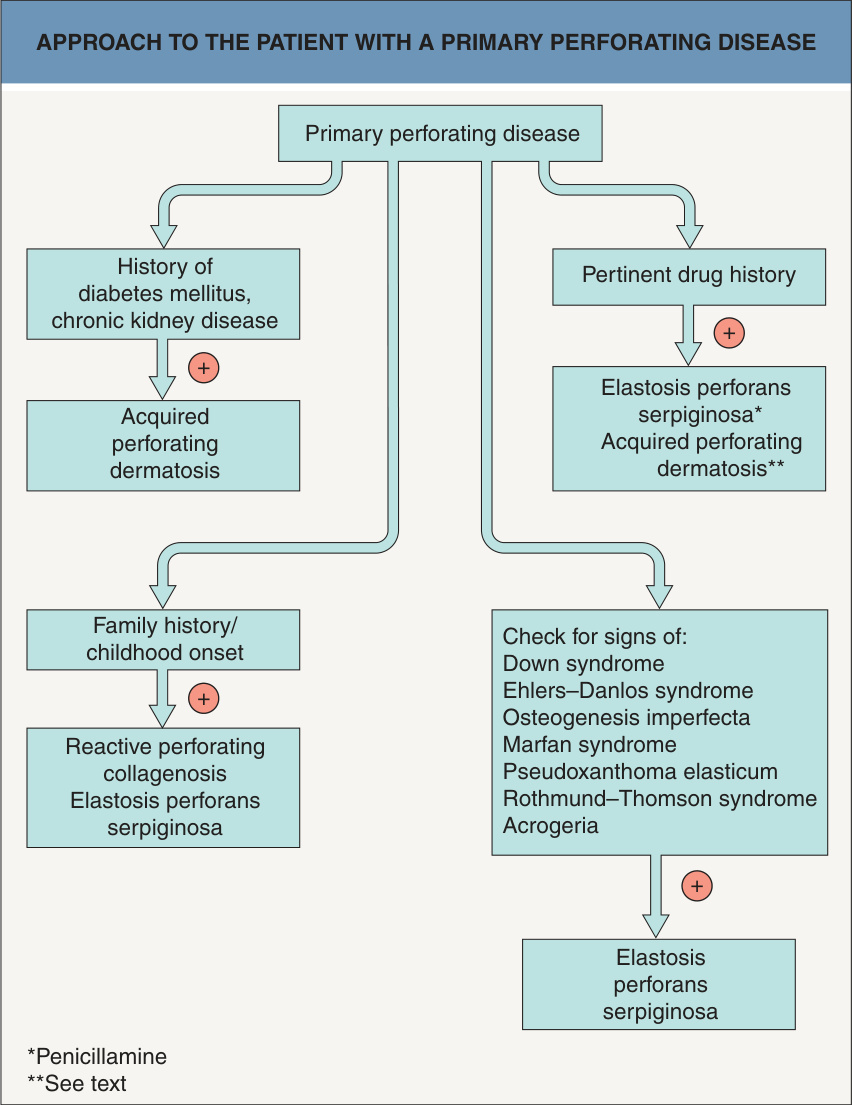
Fig. 96.13 Approach to the patient with a primary perforating disease.
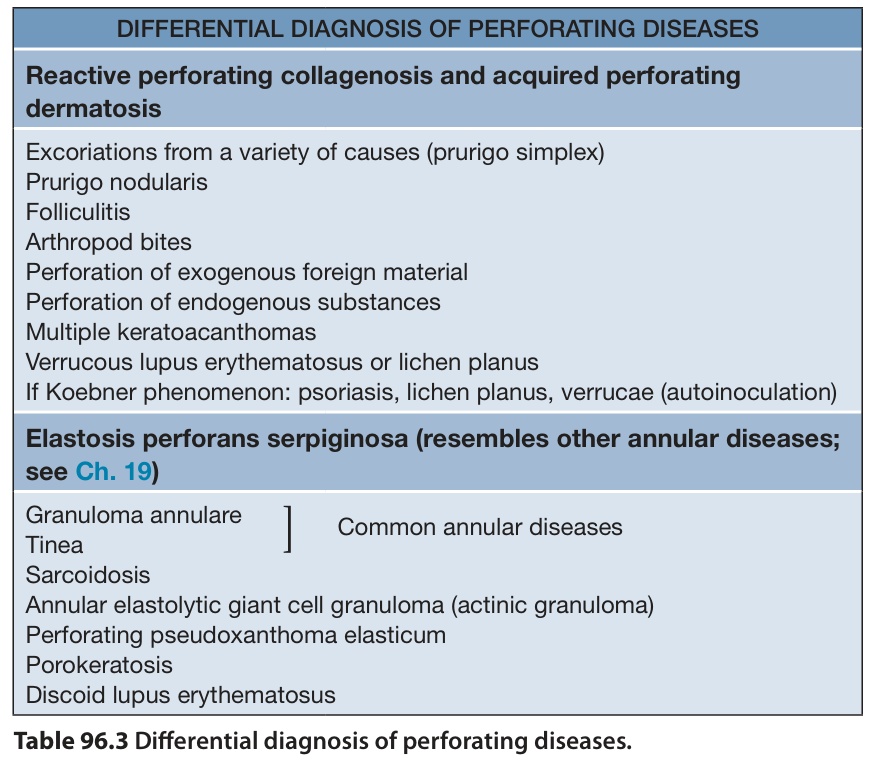
Table 96.3 Differential diagnosis of perforating diseases.