TREATMENT
Table 96.4 summarizes the various treatments that have been reported, most of which are anecdotal or based upon small case series. Well-designed, placebo-controlled studies of therapeutic interventions
]
are needed. The inherited forms of RPC and EPS generally remain mild and localized. Sometimes local measures may be successful, but a number of authors have declared treatment to be largely ineffective. The patient with mild RPC may be counseled to simply avoid trauma and wait for lesions to resolve spontaneously.
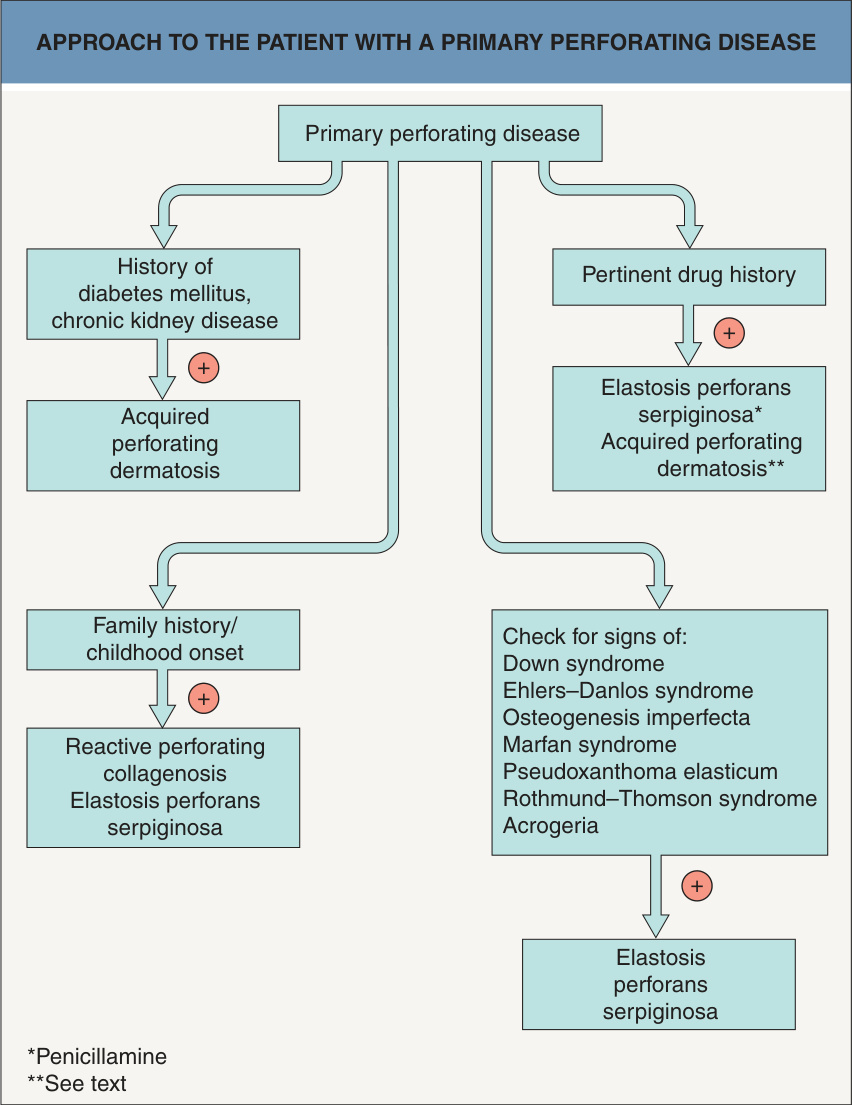
Fig. 96.13 Approach to the patient with a primary perforating disease.
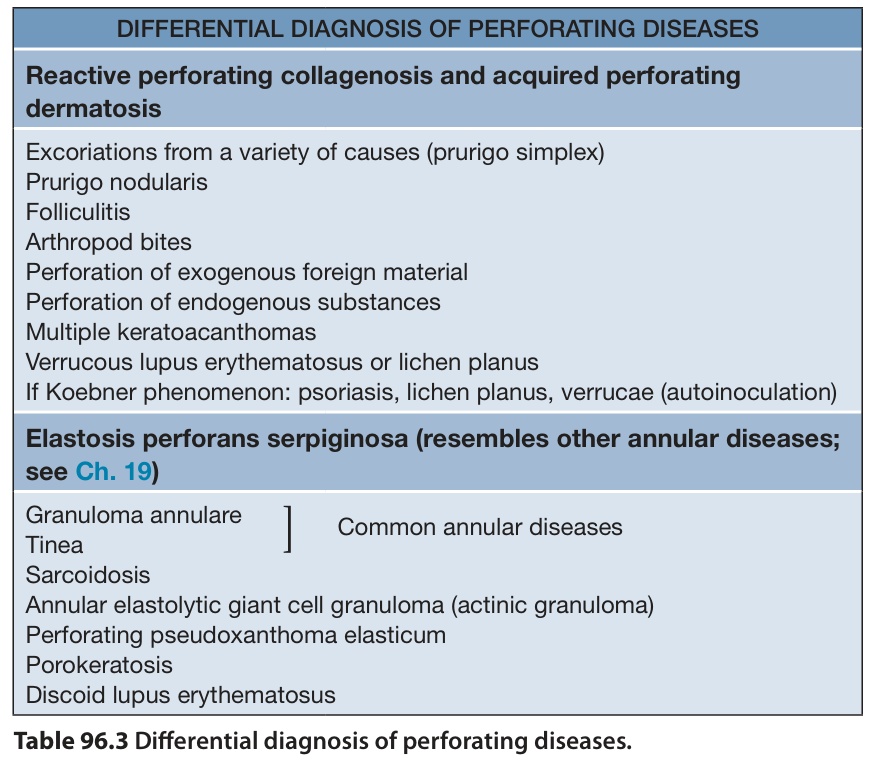
Table 96.3 Differential diagnosis of perforating diseases.
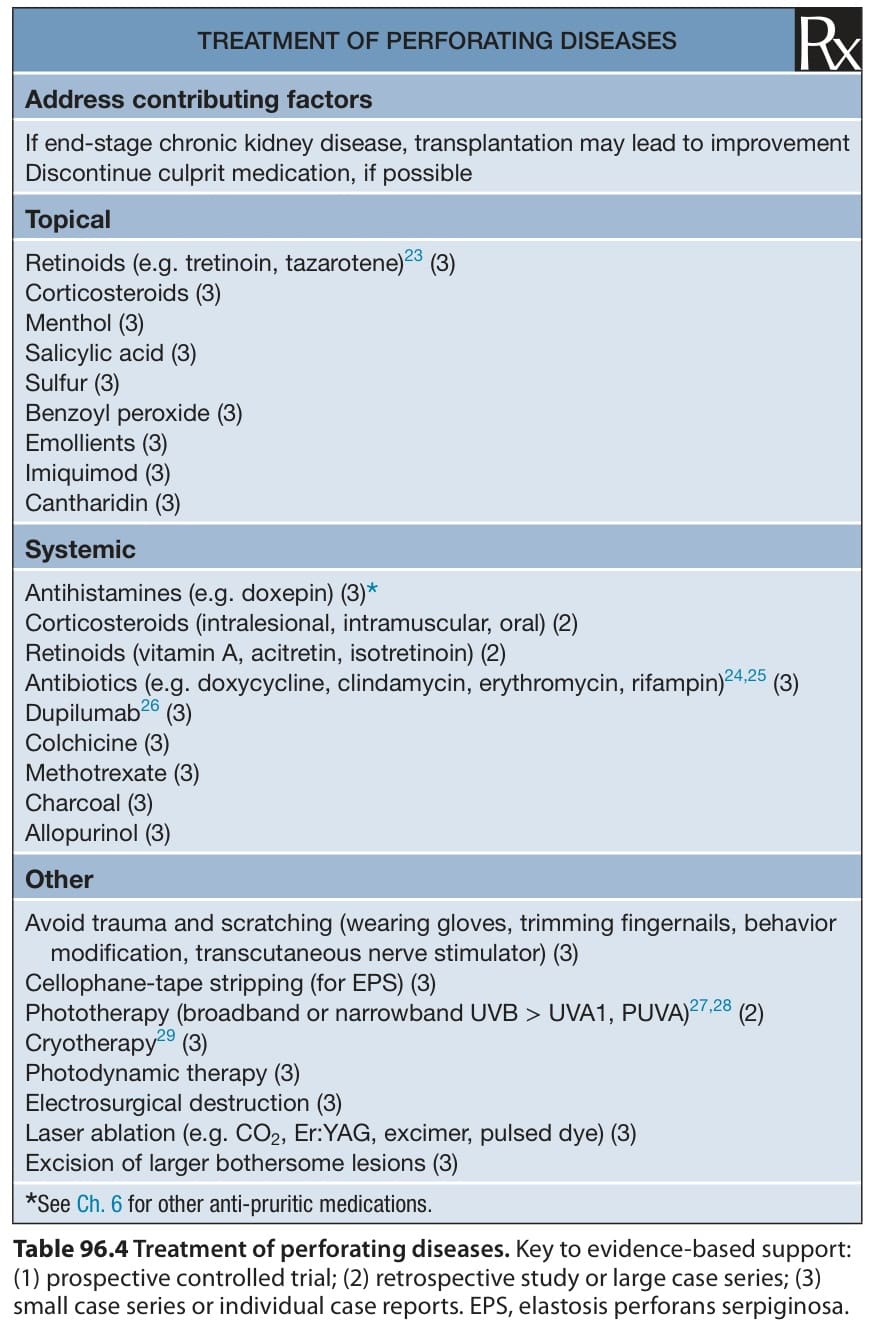
Table 96.4 Treatment of perforating diseases. Key to evidence-based support: (1) prospective controlled trial; (2) retrospective study or large case series; (3) small case series or individual case reports. EPS, elastosis perforans serpiginosa.
EPS may be treated with local cryotherapy, tangential excision, electrosurgical destruction, laser therapy (e.g. pulsed dye, Er:YAG), or cellophane tape stripping. However, aggressive treatment is more likely to result in scarring. As with RPC, spontaneous resolution of lesions makes it difficult to evaluate therapies.
Treatment of generalized acquired perforating dermatosis or extensive perforating folliculitis is often difficult. Sedating antihistamines and other typical “anti-itch” treatments (see Ch. 6) are often prescribed in an attempt to reduce the associated pruritus. Phototherapy (usually broadband or narrowband UVB) is a particularly good choice for patients with chronic kidney disease, since it often relieves coexisting pruritus. Other therapies that are sometimes helpful include intra lesional corticosteroids and oral or topical retinoids. Dupilumab was reported to significantly improve acquired RPC in the setting of adult atopic dermatitis. Anecdotally, some patients have attributed rapid improvement to a change in the type of dialysis tubing or equipment employed, or even an alteration in the methods used during the actual dialysis procedure (personal observation). Occasional dialysis patients with acquired perforating dermatosis have been cured after renal transplantation.