CUTIS VERTICIS GYRATA
Key features
Hypertrophy and folding of the scalp
Primary (idiopathic) form occurs almost exclusively in males, with an onset at puberty and without facial involvement
Underlying disorders in the secondary form include
endocrinopathies (e.g. acromegaly, myxedema) and genetic disorders (e.g. Turner syndrome)
Clinical Features
Primary cutis verticis gyrata (CVG) consists of overgrowth of the scalp that progresses to produce symmetric gyrate or cerebriform folding of the skin (Fig. 98.7). The folds are usually aligned in an anterior– posterior direction on the crown and vertex and are soft to spongy on palpation. Typically, terminal hair density is reduced on the folds, but not in the furrows. Primary CVG can be subdivided into: (1) isolated CVG; and (2) CVG associated with neurologic and/or ophthalmologic abnormalities. Both subtypes have a male predominance and usually develop around puberty. Secondary CVG is less common and its onset varies from birth to adulthood. In secondary CVG, there is a more equal sex distribution and it may be asymmetric, depending on the under lying etiology (Table 98.5).
Pathology
Biopsy specimens typically show normal skin or diffuse dermal thick ening with packed hyalinized collagen and an increased number of fibroblasts. Prominent adnexal structures may be present.
Differential Diagnosis
A cerebriform congenital melanocytic nevus of the scalp may simulate CVG. One must also differentiate the latter from pachydermoperios tosis (primary hypertrophic osteoarthropathy), which is associated with facial involvement, thickening of the skin on the hands and feet, and clubbing of the digits. Patients with pachydermoperiostosis have under lying homozygous or compound heterozygous mutations in SLCO2A1 or HPGD, which encode a prostaglandin transporter and 15-hydroxy prostaglandin dehydrogenase, respectively. Pachydermia is observed in both groups, but exaggerated CVG-like skin changes are associated with mutations in SLCO2A1 (Fig. 98.8).
Furrowed skin on the scalp, forehead, preauricular areas, neck, trunk, palms, and soles in association with acanthosis nigricans, craniosynos tosis, and a prominent umbilical stump characterizes Beare–Stevenson
There is exaggerated cutis verticis gyrata-like folding of the scalp skin. Courtesy Dr D. Timaná and Dr J. Valverde, Hospital Docente de Trujillo.
cutis gyrata syndrome, an autosomal dominant condition caused by mutations in FGFR2. Patients with Goeminne syndrome may also have CVG-like folding of the scalp in conjunction with congenital torti collis, multiple keloids, cryptorchidism, and renal dysplasia (TKCR syndrome).
Other potential simulators of CVG include dissecting cellulitis of the scalp, benign hamartomas or tumors (e.g. plexiform neurofibroma, cutaneous neurocristic hamartoma, connective tissue nevus, nevus lipomatosus, aggregated cylindromas), primary systemic amyloidosis, leukemia cutis, and malignancies such as folliculotropic mycosis fungoides and angiosarcoma. Based upon patient history, trauma has preceded the development of CVG and there are isolated reports of CVG-like presentations of pemphigus vegetans, Darier disease, sclero myxedema, and chronic actinic dermatitis but clinical differenti ation is more straightforward.
Treatment
CVG is generally asymptomatic and requires no treatment. Occasionally, surgical excision is performed. Improvement has been reported following injection of hyaluronidase.
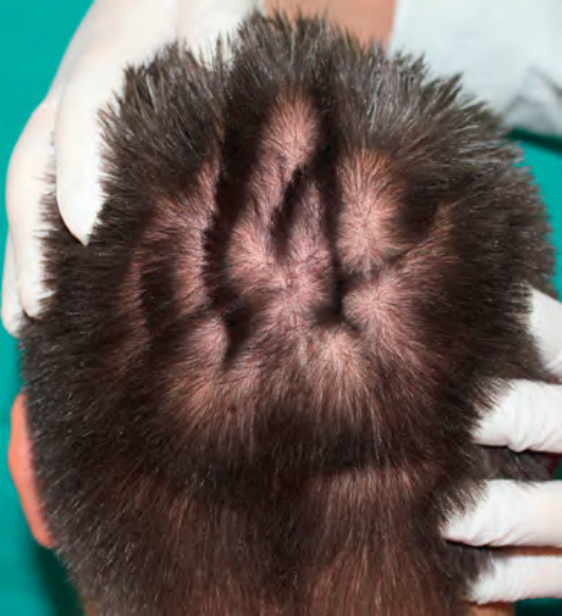
Fig. 98.7 Cutis verticis gyrata. Cerebriform folding of the skin of the scalp.
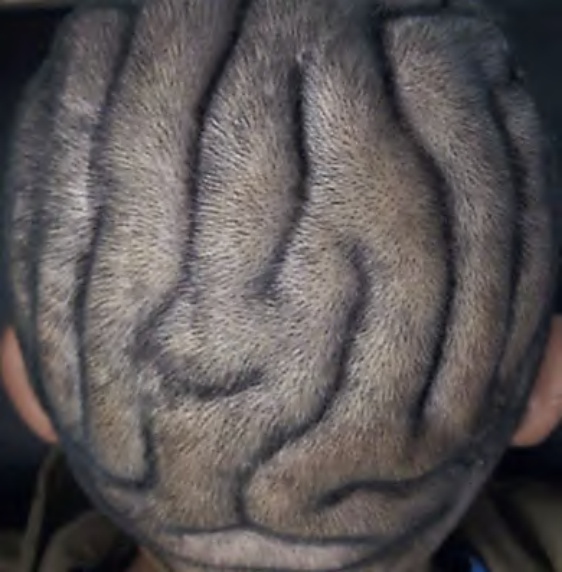
Fig. 98.8 Pachydermo periostosis (primary hypertrophic osteoarthropathy).
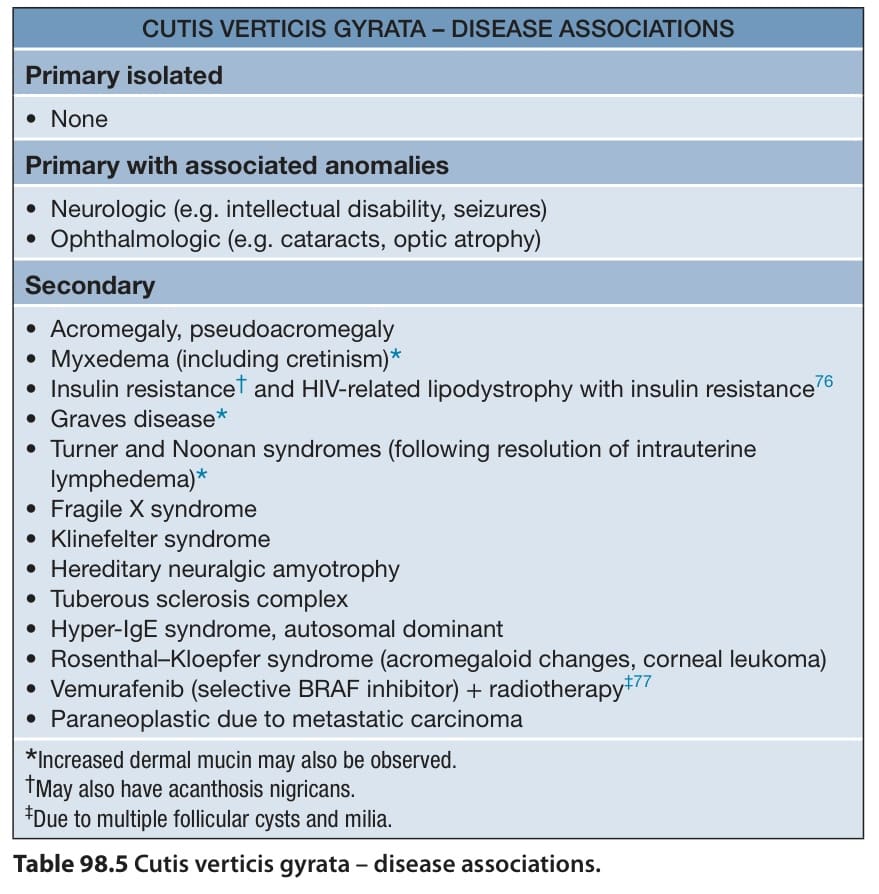
Table 98.5 Cutis verticis gyrata – disease associations.
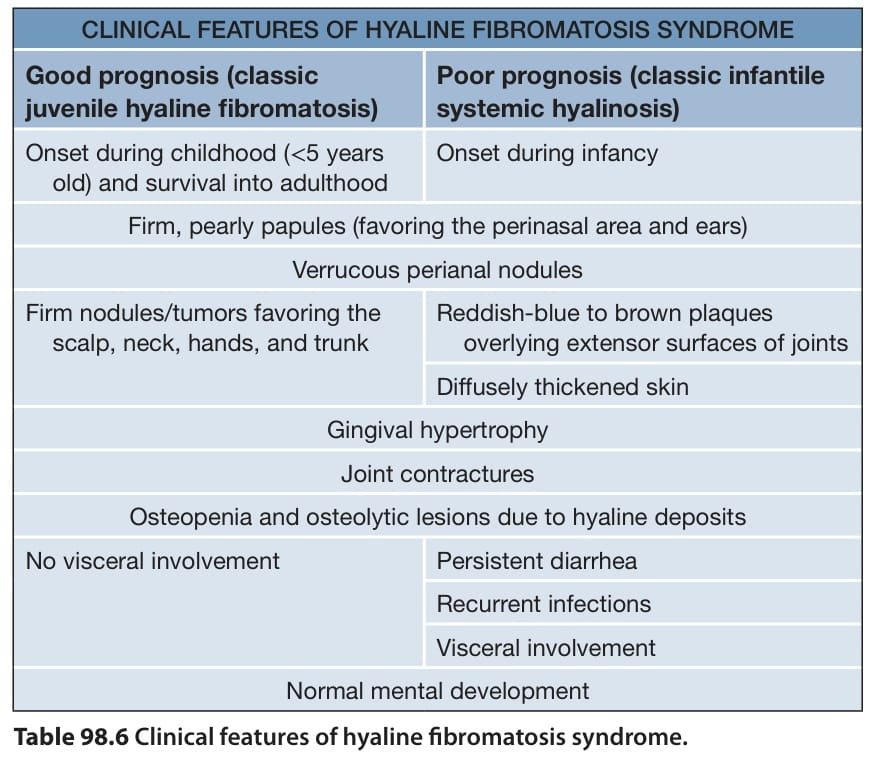
Table 98.6 Clinical features of hyaline fibromatosis syndrome.